

The Productivity Paradox: Is Your AI Strategy Demotivating Your Most Valuable Asset?
Your engineering team is more productive than ever, thanks to AI. But this efficiency comes with a hidden cost: the disengagement of your most valuable talent as AI automates the creative work they love. This article explores the business risks of this productivity paradox and provides a leader’s playbook for evolving your engineers from tactical coders into the strategic architects who will drive your company’s future innovation.
I. The Newest Threat to Your Innovation Pipeline
Over my many years in the business world, I’ve seen leaders chase the latest “game-changer” technology. Some, like email, fundamentally changed how we work for the better. Others created more problems than they solved. The latest game-changer, Artificial Intelligence, is proving to be one of the most powerful yet complex tools we’ve ever introduced into our organizations.
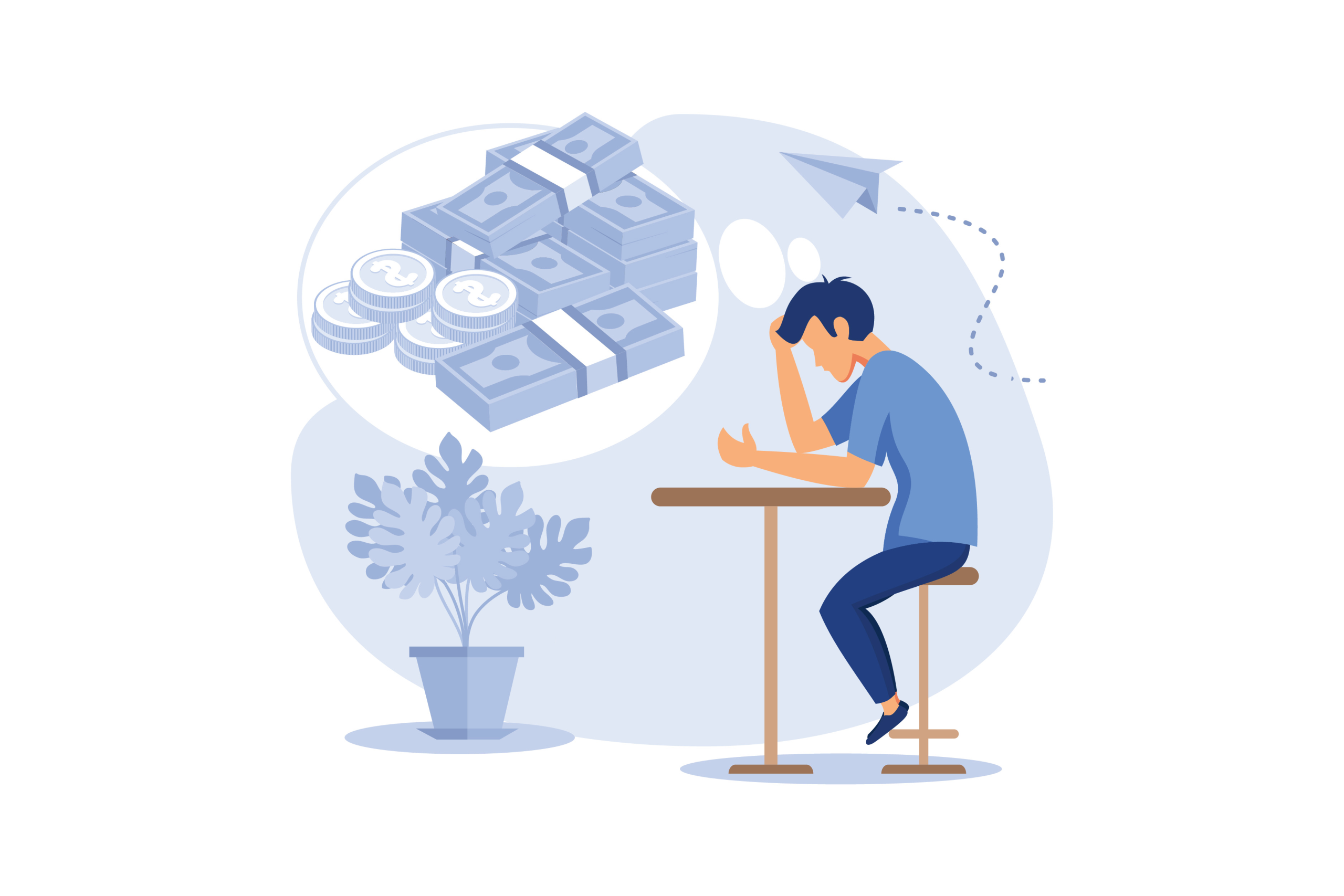
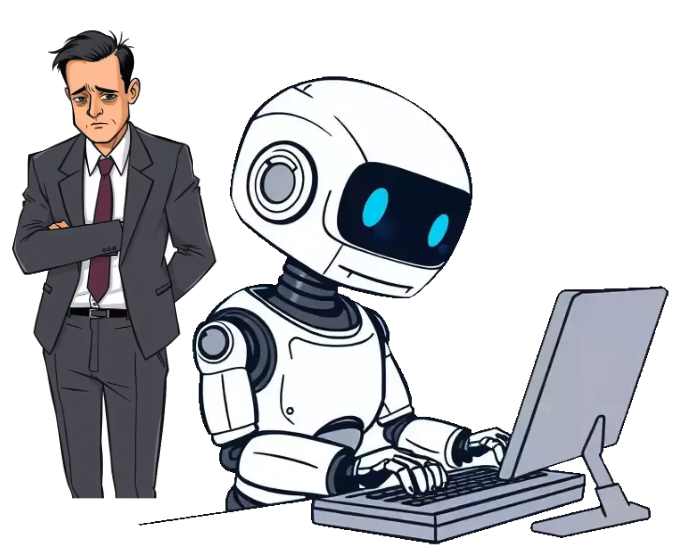
We’re all rushing to arm our engineering teams with AI assistants, and on the surface, the results look phenomenal. Productivity metrics are soaring, code is being generated at an unprecedented rate, and development cycles are shrinking. It feels like a clear win. But I’ve started hearing a concerning refrain from leaders I talk to. One told me, “My team is shipping code faster than ever, but the spark is gone. My best engineer, the one who used to live for cracking tough problems, told me the AI ‘does all the fun stuff now.'”
This is the productivity paradox of the AI era. In our quest for efficiency, we may be inadvertently dismantling the very things that make our engineering teams great: passion, creativity, and the deep satisfaction of solving a complex puzzle. A disengaged engineering team isn’t just a morale issue; it’s a silent threat to your company’s long-term innovation, your ability to retain top talent, and ultimately, your competitive edge.
II. The Downstream Costs of Demotivation
When your most skilled employees are disengaged, the negative effects ripple across the business in ways that don’t show up on a dashboard until it’s too late. This isn’t about hurt feelings; it’s about tangible business risks that can cripple your growth.
The “Goodhart’s Law” Trap: There’s an old adage: “When a measure becomes a target, it ceases to be a good measure.” By targeting code velocity, we’re encouraging engineers to use AI to close tickets quickly. We are getting exactly what we are measuring, but we’re losing what we actually want: robust, creative, and well-architected solutions.
Innovation Stagnation: Passionate engineers are the ones who experiment on their own time, find novel solutions to old problems, and push the boundaries of what’s possible. When their primary role becomes supervising an AI, that proactive innovation grinds to a halt. Your product roadmap becomes a series of predictable, incremental updates rather than groundbreaking leaps.
The High Cost of Talent Attrition: Your best engineers are defined by their desire for challenge. If you remove that challenge, they will find it elsewhere—likely at a competitor who understands how to leverage their strategic abilities. The cost to replace a senior engineer, including recruiting, onboarding, and lost institutional knowledge, is enormous.
Accumulating “Strategic Debt”: We all know about technical debt. Strategic debt is worse. It’s the result of making short-term, efficient choices that compromise your long-term architectural integrity. An AI might generate code that works now, but it takes an engaged human architect to ensure that code is maintainable, scalable, and aligned with the company’s five-year plan.
A disengaged engineering team isn’t just a morale problem—it’s a direct threat to your company’s long-term innovation.
III. From Coder to Architect: A Framework for Evolving Your Talent
So, what’s a leader to do? You can’t ignore the power of AI, but you can’t afford to let it hollow out your team. The solution is to manage this transition with a deliberate strategy, much like you would manage an AI Portfolio. It’s about evolving your team’s role from implementation to strategy.
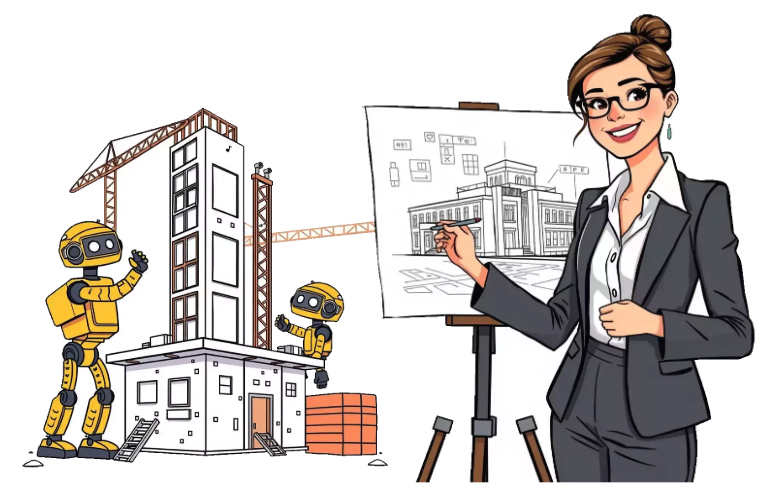
Think of AI as the ultimate junior developer—tireless and knowledgeable, but lacking context, business acumen, and foresight. Your senior talent must transition to become the architects and strategists guiding that tool. Their value is no longer in the physical act of typing code, but in the intellectual acts of design, planning, and critical review.
Here’s a simple framework for thinking about this evolution:
- The Guide: The first step is to train your engineers to become expert “AI whisperers.” Their job is to master prompt engineering and learn how to guide the AI to produce high-quality, secure, and efficient code. They are responsible for reviewing every line the AI produces, ensuring it meets your company’s standards for quality and maintainability.
- The Architect: Once they’ve mastered guiding the AI, the next level is to focus on system design. In this role, engineers spend less time on implementation and more time on whiteboarding, creating technical specifications, and making high-level decisions about how systems interact. They are designing the blueprints that the AI will help build.
- The Strategist: This is the highest level of value. The strategist works with product managers and business leaders to define the problems that need to be solved. They translate business goals into technical strategy, evaluate new technologies, and make the critical build-vs-buy decisions that will shape the company’s future.
IV. A Leader’s Playbook for Reigniting Engineering Passion
Facilitating this transition requires more than just a memo. It requires a conscious shift in how you manage, measure, and reward your technical teams.
Create New Career Paths: Formalize the “Architect” and “Strategist” roles within your engineering ladder. Show your team that there is a path for growth and advancement that doesn’t depend on being the fastest coder, but on becoming the wisest technical leader.
Audit Your Team’s Health: Go beyond productivity metrics. Start having candid conversations with your engineers. Ask them what parts of their job are most engaging and which are becoming automated. Use this feedback as your guide.
Rethink Your Performance Metrics: Stop rewarding engineers solely for the volume or velocity of code they ship. Introduce new metrics that reflect higher-level value: the quality of system design documents, the reduction of technical debt, the success of mentoring junior employees, and the impact of their work on key business outcomes.
Invest in “Human-Centric” Skills: Your training budget should evolve. In addition to technical skills, invest in training for system design, business analysis, stakeholder management, and project leadership. These are the durable skills that AI cannot replicate.
Your best engineers didn’t get into this field to supervise an AI. They got into it to solve puzzles and build things that matter.
V. Your Team is Your Competitive Moat
In today’s market, your only sustainable competitive advantage is the ingenuity of your people. A competitor can license the same AI tools you use, but they cannot replicate a passionate, innovative, and strategically-minded engineering team.
Relying on AI for a short-term productivity boost while ignoring the long-term impact on your team’s motivation is a classic example of winning a battle but losing the war. You risk becoming a “code factory,” excellent at executing yesterday’s ideas but incapable of inventing tomorrow’s.
Your best engineers didn’t get into this field to supervise an AI. They got into it to solve puzzles and build things that matter. By strategically shifting their focus to higher-level challenges, you’re not just keeping them engaged—you’re transforming your engineering team from a cost center into the strategic innovation engine that will secure your company’s future. The passion isn’t gone; it just needs to be pointed at a new, more complex, and far more valuable set of problems.